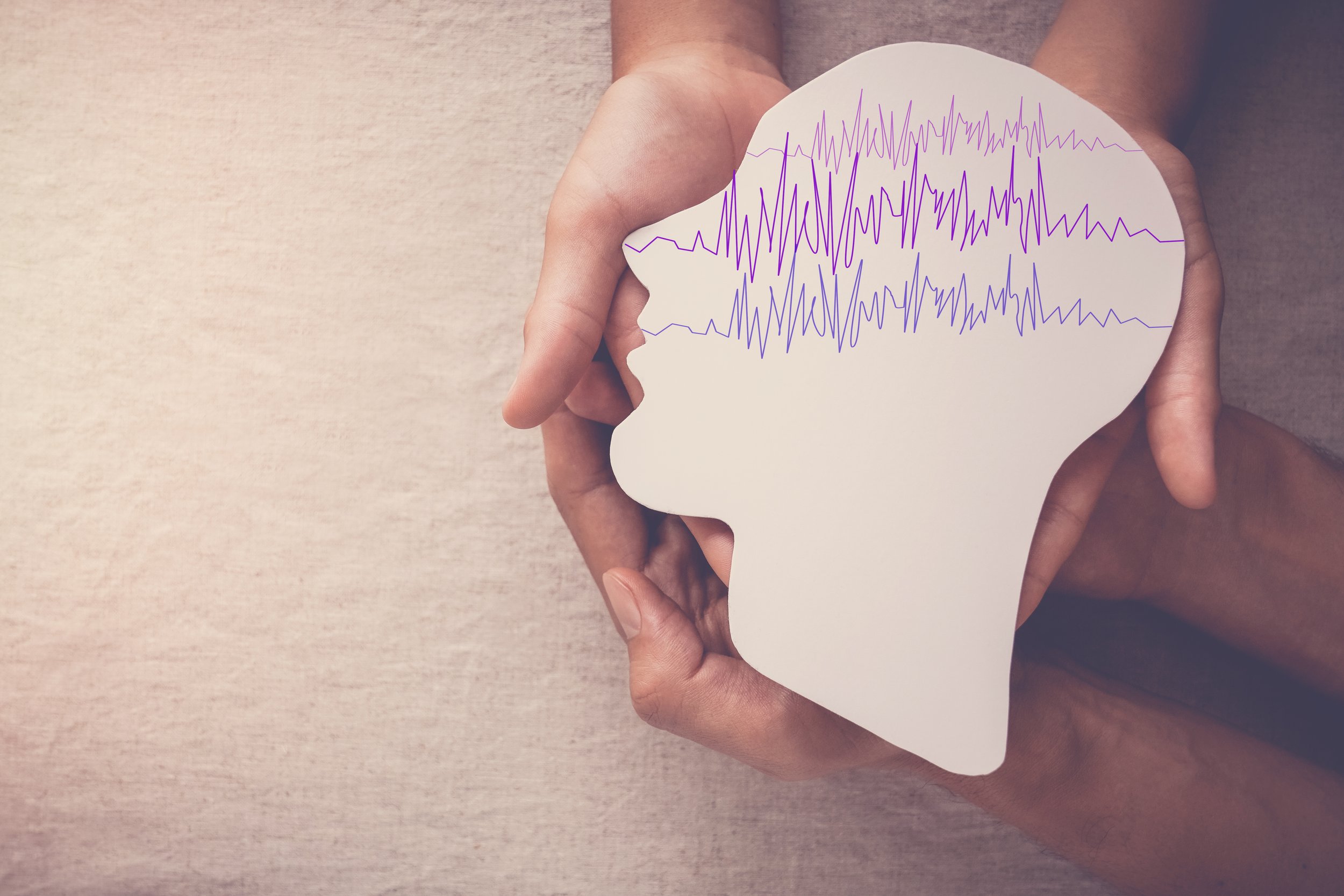
Anxiety, Stress, and Neurofeedback
Chronic stress and anxiety can train the brain to remain in a constant state of high alert. Over time, the nervous system may begin reacting to everyday situations as if they are threats, triggering fight-or-flight responses even when no immediate danger is present. This can lead to persistent tension, irritability, mental fatigue, difficulty concentrating, and reduced emotional control.
Neurofeedback helps the brain shift out of these overactive patterns and into calmer, more regulated states. Through repeated training, the brain practices accessing patterns associated with relaxation, focus, and emotional stability. Rather than suppressing symptoms, neurofeedback supports more efficient self-regulation over time. The process is non-invasive and does not involve medications or chemicals.
Obsessive-Compulsive Disorder (OCD) and Neurofeedback
Obsessive-compulsive patterns are often closely linked with anxiety and involve rigid or repetitive brain activity. These patterns can make it difficult to disengage from intrusive thoughts or habitual behaviors, even when they are unwanted or distressing.
While medication can be helpful for some individuals, its effectiveness may be limited or change over time. Neurofeedback targets underlying brain patterns associated with obsessive thinking and compulsive behaviors, supporting greater flexibility and self-regulation. With consistent training, many individuals experience reduced symptom intensity and improved control over thought and behavior patterns.
"I finally have control over my anxiety, and it used to control me. I no longer struggle with living in fear, and it feels great."